Unspoken Dissatisfaction: What Your Clients Aren't Saying in the Chair—and Why It's Costing You Their Loyalty
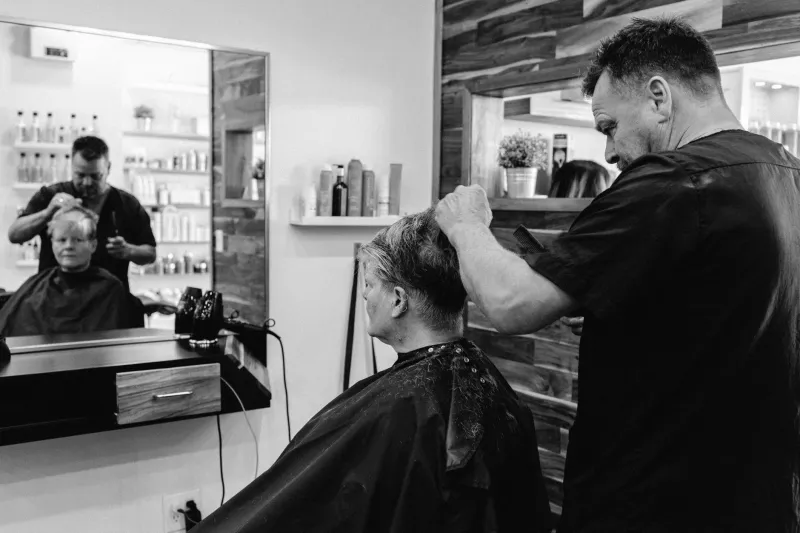
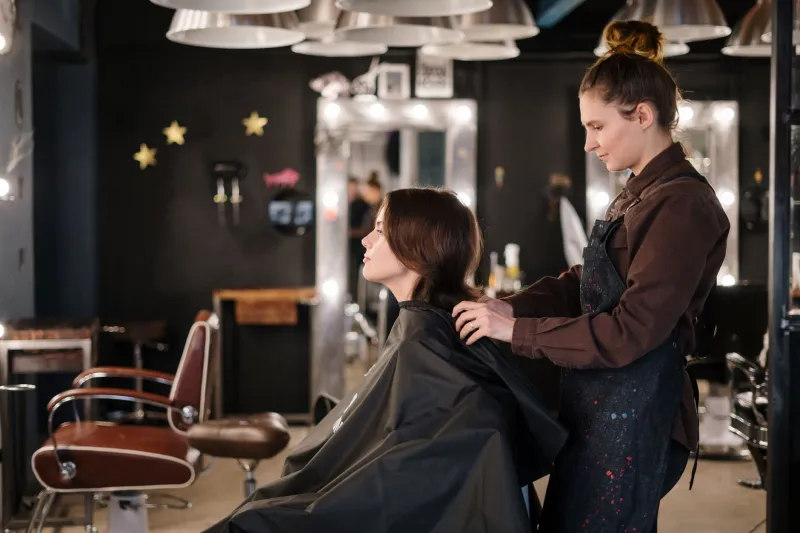
Picture this: a client settles into the salon chair, describes what she wants, and watches the service unfold. When you spin her toward the mirror and ask the inevitable question—So, what do you think?—she smiles, nods, and says it looks great. She tips generously, schedules nothing, and never returns.
This scenario plays out in salons across the United States every single day. According to consumer behavior research, a large majority of dissatisfied customers in service industries never complain directly to the provider. They simply leave. In the salon context, where the result is deeply personal and the relationship between stylist and client is charged with social nuance, that silence can be even more pronounced. Understanding why clients withhold honest feedback—and deliberately designing your practice to invite it—may be the most consequential professional development work you do this year.
The Psychology Behind the Polite Smile
The silence is rarely about deception. More often, it reflects a web of psychological pressures that clients may not even consciously recognize.
Fear of conflict. Most people are socially conditioned to avoid confrontation, particularly in service settings where they feel they may come across as difficult or ungrateful. Saying "this isn't quite what I wanted" can feel, to a client, like accusing a professional of failure—an uncomfortable position that many simply choose to sidestep.
The expertise gap. Stylists carry visible authority: the tools, the terminology, the years of training. Clients who lack technical vocabulary often doubt their own perceptions. They may think, Maybe this is right and I just don't understand hair. That uncertainty is enough to suppress even a well-founded concern.
Social investment in the relationship. Regular clients, in particular, may feel that voicing dissatisfaction threatens the warmth of an ongoing relationship they genuinely value. The implicit calculation becomes: Is this haircut worth damaging the rapport I have with my stylist? For many, it isn't—so the concern stays buried.
The sunk-cost moment. Once a service is complete, many clients feel it is too late to change anything meaningful. Raising an issue at the mirror feels futile, even when a stylist would be entirely willing and able to make adjustments.
Environmental Signals That Either Welcome or Suppress Feedback
Before examining what stylists say, it is worth examining the physical and atmospheric environment of the salon itself. Clients read their surroundings carefully, often unconsciously.
A rushed, high-volume environment signals that there is no time for nuanced conversation. Loud music, back-to-back appointments with no buffer, and stylists who move briskly through the service all communicate that efficiency is the priority—not dialogue. Clients in these settings are less likely to slow things down with a concern.
Conversely, salons that invest in deliberate pacing, comfortable seating during consultations, and a sense of unhurried attention send a different message entirely. Even small gestures—making consistent eye contact in the mirror, pausing naturally during the service rather than talking continuously—create openings that clients instinctively recognize as invitations.
Privacy also matters. When styling stations are positioned so that other clients can easily overhear a conversation, many individuals will self-censor rather than risk an audience for their dissatisfaction.
Reframing the Consultation as an Ongoing Dialogue
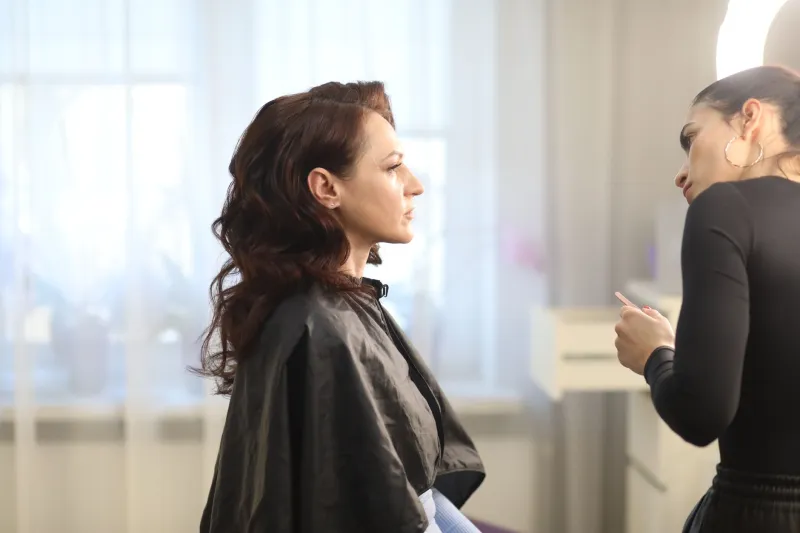
The consultation is not a single event at the beginning of an appointment. It is a posture that skilled stylists maintain throughout the entire service.
Phrasing matters enormously here. The classic closing question—Do you like it?—is a yes/no prompt that practically invites a polite affirmation. Compare that with more open, specific questions:
- "How does the length feel compared to what you described earlier?"
- "Is the volume sitting the way you were hoping?"
- "Now that you're seeing it in full light, is there anything you'd want to adjust?"
These questions signal that adjustments are genuinely on the table, not merely a formality. They also give clients permission to engage with specifics rather than rendering a broad verdict on your work.
Mid-service check-ins serve a similar function. A brief pause to ask "How are we feeling about the direction so far?" before a cut is finished, or while color is processing, communicates that the client's evolving reaction is part of the process—not an interruption of it.
Building a Post-Appointment Follow-Up Practice
Even with the most thoughtful in-chair communication, some clients will not find their voice until they are home, looking at their hair in their own bathroom mirror under their own lighting. A structured follow-up practice captures that feedback before it turns into a quiet departure.
A brief, personalized message sent 48 to 72 hours after an appointment—not a generic automated blast, but a short note referencing the specific service—demonstrates that the client's experience matters beyond the transaction. Something as simple as: "Hi Sarah—just checking in to see how your color is sitting after a couple of days. Don't hesitate to reach out if anything feels off."
This approach accomplishes several things simultaneously. It reinforces the relationship, signals professional confidence (stylists who are uncertain of their work rarely invite post-service scrutiny), and creates a low-stakes channel through which clients can express concerns they might not have voiced in person.
Many stylists resist this practice out of concern that it will open the door to complaints. The evidence, however, suggests the opposite: clients who feel heard are far more likely to return for a correction service and continue their loyalty than those who quietly absorb their disappointment.
Training Yourself to Receive Feedback Gracefully
Inviting honest feedback is only half the equation. The other half is responding to it in a way that reinforces rather than punishes the client's candor.
When a client does voice a concern—however hesitantly—the instinct to defend the technical decision or explain the reasoning can feel natural to a professional, but it reads as dismissiveness to the client. Acknowledgment must come first, and it must be genuine: "I really appreciate you telling me that. Let's take a closer look together."
The willingness to offer a complimentary adjustment, without making the client feel that they are imposing, is a powerful trust-building act. Clients who experience this response once tend to become among the most loyal and vocal advocates a stylist can have.
The Long-Term Return on Honest Dialogue
The salon industry in the United States is highly competitive, and client retention is among the most significant drivers of sustainable business growth. Research consistently shows that acquiring a new client costs several times more than retaining an existing one.
The confidence gap—that space between what clients feel and what they say—is ultimately a trust gap. And trust, in the salon environment, is built not through flawless results alone, but through the demonstrated commitment to making things right when results fall short of expectations.
Stylists who close that gap, who build practices where honesty is structurally welcomed rather than accidentally discouraged, do not just retain more clients. They build the kind of professional reputation that travels—through word of mouth, through reviews, through the quiet but powerful endorsement of a client who tells a friend: "She actually listens."
That is the standard Hair Bar Professional holds as the foundation of every great stylist-client relationship. Elevating every strand begins with elevating every conversation.