Before the First Snip: How Master Stylists Turn Client Conversations into Flawless Results
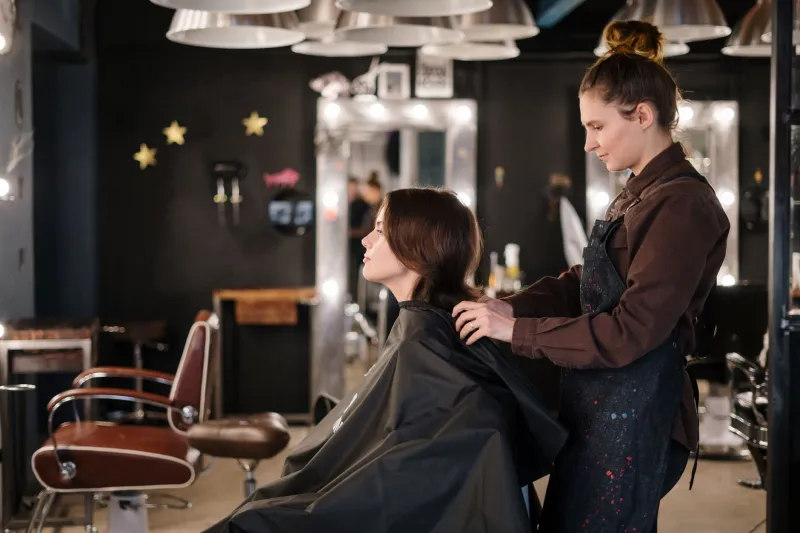
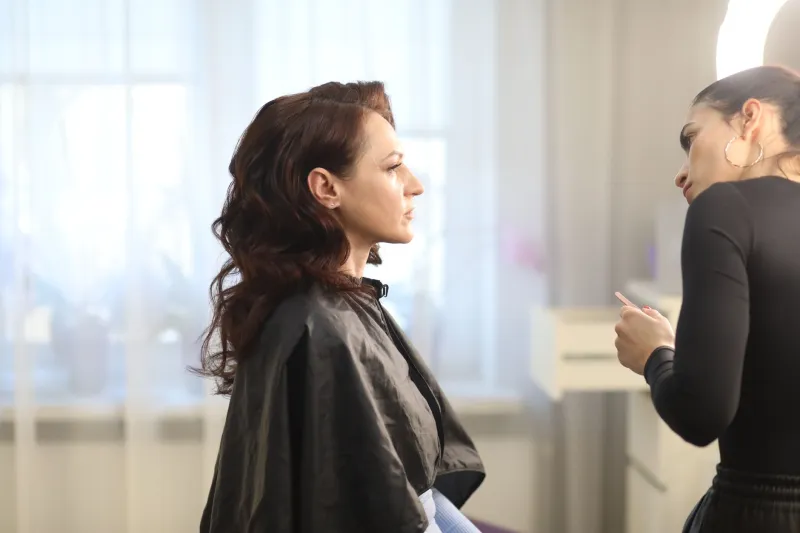
There is a moment in every salon visit that carries more weight than any technique, product, or tool—the consultation. It unfolds quietly, often in just a few minutes, yet its outcome determines whether a client walks out glowing or walks away disappointed. For stylists who want to build a loyal, thriving clientele, learning to conduct a genuinely effective consultation is not optional. It is foundational.
The challenge, however, is that most consultations are conducted on autopilot. A stylist glances at a photo the client pulls up on their phone, nods, asks a few surface-level questions, and moves on. What gets missed in that exchange are the details that actually matter: the lifestyle constraints, the maintenance tolerance, the emotional history a client carries about their own hair, and the gap between what they say they want and what they truly need.
Why Clients Struggle to Communicate What They Actually Want
Clients are not hair professionals. They arrive armed with inspiration images, half-remembered terminology, and deeply personal feelings about their appearance—none of which translate cleanly into technical direction. When a client says she wants something "natural," she may mean low-maintenance, or she may mean she wants color that mimics her hair from fifteen years ago. When another says he wants his hair "cleaned up," he might mean a half-inch trim or a complete restructuring of his shape.
The burden of translation falls entirely on the stylist. This is not a flaw in the system; it is the professional opportunity. Clients who feel genuinely understood—who sense that their stylist has truly heard them—become the most loyal clients in any book. They refer friends. They rebook without prompting. They trust recommendations. That trust is built in the consultation chair, not the styling chair.
The Questions That Actually Reveal What a Client Needs
Effective consultations are built on layered questioning—moving from broad to specific, from practical to personal. The following framework provides a reliable structure without feeling like an interrogation.
Start with lifestyle, not aesthetics. Before discussing any style or service, ask about daily routine. How much time does the client realistically spend on their hair each morning? Do they work out regularly? Are they in a profession with appearance standards? Do they travel frequently? These answers immediately establish the parameters of what is actually achievable and sustainable for that individual.
Explore maintenance history honestly. Ask when the client last had a service and how they felt about it afterward. Ask whether they color at home between appointments. Ask what products they currently use and how often they wash. This reveals both the current condition of the hair and the client's level of engagement with their own hair care—critical information before recommending any service.
Invite them to describe what they dislike. Most stylists focus consultations on what the client wants. Equally valuable is understanding what the client cannot stand about their hair right now. Frizz? Flatness at the crown? Color that fades too fast? A shape that grows out awkwardly? These pain points are the real brief, and addressing them directly builds immediate credibility.
Probe gently on inspiration images. When a client presents a photo, resist the impulse to simply say yes. Instead, ask what specifically draws them to that image. Is it the color? The texture? The length? The way it falls? Often, a client is drawn to one element of an image while the rest is entirely irrelevant—or incompatible with their hair type. Identifying the specific appeal of an image prevents costly misalignments.
Listening for What Isn't Said
Active listening in a consultation goes beyond processing words. It means paying attention to hesitation, repetition, and emotional charge. When a client says "I've been trying to grow it out" three times in two minutes, that is not casual small talk—it is a priority. When someone laughs nervously and says "I probably can't pull that off," they are not being self-deprecating; they are asking for reassurance or honest guidance.
Red flags worth noting include clients who cannot articulate what they want beyond vague adjectives, clients who reference a previous bad experience without fully explaining it, and clients who seem to be describing a style for someone else's approval rather than their own. Each of these signals deserves a follow-up question rather than a pivot to the service plan.
Equally important is recognizing when a client's expectations exceed what is technically possible in a single appointment. Addressing this proactively—before the service begins—is not discouraging; it is professional. Clients respect honesty delivered with care. What erodes trust is a result that falls short of what was implied during the consultation.
Translating the Conversation into a Concrete Service Plan
Once the consultation has surfaced the client's lifestyle, history, preferences, and concerns, the stylist's role shifts from listener to expert guide. This is the moment to speak clearly about what is possible, what is realistic within a single visit, and what a longer-term plan might look like across multiple appointments.
Use specific language when summarizing the plan back to the client. Rather than saying "We'll do a trim and some toning," say "I'm going to take about an inch off to remove the damage at the ends, and then we'll do a gloss treatment to neutralize the brassiness and add shine. That should give you a much more polished result that's also easier to manage at home." This specificity accomplishes two things: it confirms that the stylist has listened, and it sets a clear expectation against which the client can measure the outcome.
Document the consultation. Whether through a digital intake form, a salon management system, or handwritten notes in a client file, recording the key details from each consultation ensures continuity across appointments. When a client returns six months later, being able to reference her previous concerns—and demonstrate that they were addressed—signals a level of professional attentiveness that is genuinely rare.
The Consultation as a Continuing Practice
Even long-standing clients deserve a brief consultation at each visit. Hair changes. Life circumstances shift. A client who once had time for a complex blowout routine may now have a newborn and need a simpler approach. A client who always colored their hair may be exploring going natural. Assuming nothing has changed is a professional shortcut that costs stylists the opportunity to remain genuinely relevant to their clients' lives.
The best consultations feel less like intake procedures and more like conversations between a trusted advisor and someone who genuinely values their expertise. When clients sense that their stylist is asking questions not to check a box but out of real professional interest, the entire salon experience shifts. The chair becomes a place of confidence rather than anxiety, and the relationship that follows is one built to last.
In an industry where technical skill is increasingly accessible and competition is fierce, the consultation is one of the few areas where a stylist's individual character, curiosity, and empathy create something that cannot be replicated. Invest in it accordingly.